Goal 2 Zero Hunger

End hunger, achieve food security and improved nutrition, and promote sustainable agriculture: what Universitas Diponegoro is doing in pursuit of this goal.

Student & Internal Support Facilities

Campus Food Waste

Campus Food Waste Tracking

Campus Food Waste
Tracking

Universitas Diponegoro (UNDIP) is committed to supporting sustainable consumption through a campaign to reduce food waste. This program emphasizes the sorting of food scraps and organic materials, as well as processing food waste into compost or other useful products. This initiative aims not only to reduce waste volume but also to raise awareness among the academic community about the importance of responsible waste management. By integrating education and practical practices into daily campus life, UNDIP strives to create a culture of wise consumption and sustainable waste management that supports the achievement of the Sustainable Development Goals (SDGs), particularly in the environmental and food sustainability aspects.

Total food waste: 4,92 mt
Campus population: 40,120

Student Hunger

Student Food Insecurity and Hunger

Student Food Insecurity and Hunger

Universitas Diponegoro (UNDIP) introduced a Food Truck program in October 2022 to provide free lunches for students. The program offers easy access by simply showing your student ID card (KTM) and is held every Tuesday and Wednesday at strategic locations on campus. The daily menu consists of rice, side dishes, vegetables, and fruit prepared with fresh ingredients by experienced chefs to support student nutrition and concentration. The program also includes user tips such as arriving early, bringing your own food container to reduce plastic waste, and maintaining the cleanliness of the Food Truck area. With this initiative, UNDIP demonstrates its commitment to student well-being, reducing the burden of food costs, and promoting a healthy lifestyle on campus.

Student and Staff Hunger Interventions

Student and Staff Hunger Interventions

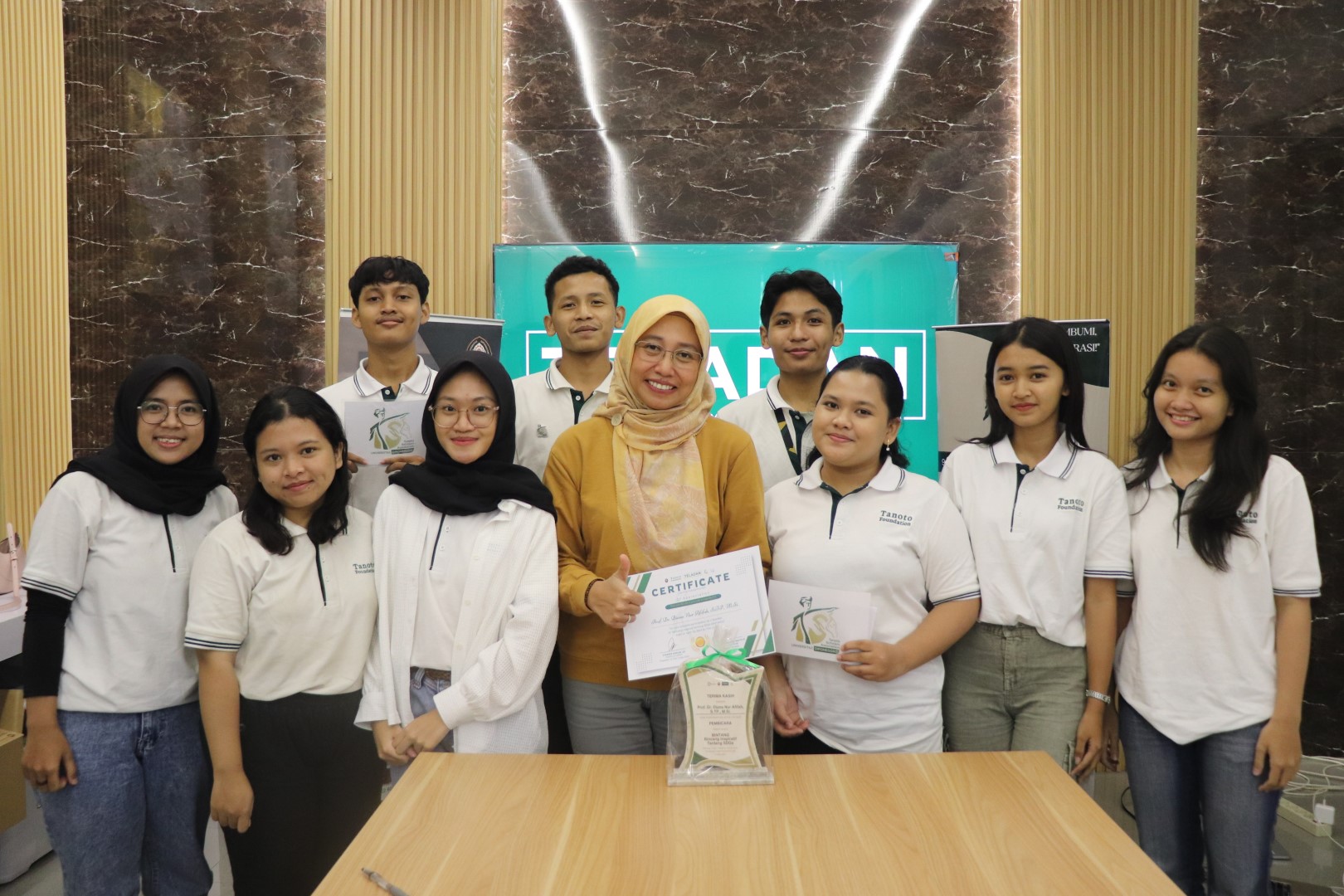
Universitas Diponegoro (UNDIP), in collaboration with Bank Syariah Indonesia (BSI), distributed 1,000 nutritious food packages to students on November 22, 2024. Additionally, the SDGs Center of UNDIP regularly distributes lunch boxes during Ramadan, continuing an annual tradition since 2020. In April 2024, 250 lunch boxes were distributed at the Campus Mosque to support SDG 2 (Zero Hunger). These initiatives, including the "Warteg Mobile" and Ramadan food sharing, reflect UNDIP's concern for student nutrition and its commitment to social responsibility, ensuring the academic community has reliable access to food during critical times.

Sustainable Food Choices on Campus

Sustainable Food Choices on Campus

UNDIP presents the concept of "Healthy and Affordable Canteens" in each faculty, serving nutritious food and vegetarian menus at prices ranging from Rp 5,000 to Rp 30,000. These canteens offer diverse dishes like pecel, gado-gado, and plant/animal proteins, supporting healthy eating patterns amidst busy schedules. Beyond nutrition, these facilities prioritize cleanliness, comfort, and sustainable waste management, including the separation of organic and inorganic waste. This model aligns with SDG 2 (Zero Hunger) and SDG 12 (Responsible Consumption and Production), fostering a culture of health and environmental awareness across the campus community.

Healthy and Affordable Food Choices

Healthy and Affordable Food Choices

Universitas Diponegoro offers healthy and comfortable cafes, such as Marlin Space at FPIK, as modern alternatives for students to study and socialize. These cafes serve menus that balance flavor with nutritional value, offering coffee, tea, and innovative rice bowls. Similar concepts are implemented in the Faculty of Economics and Business (FEB) and the Faculty of Animal Husbandry and Agriculture (FPP). These spaces also serve as practical platforms for student entrepreneurship, combining a relaxed atmosphere with the campus's core values of health and productivity.

National Hunger

Access to Food Security Knowledge

Access to Food Security Knowledge

The Faculty of Animal Husbandry and Agriculture (FPP UNDIP) implements concrete programs through community service. In Sukorejo Village, Sragen, they distributed 16,700 eggs to over 829 families to improve nutrition and prevent stunting. In Kendal, they mentored duck farmers in producing low-cost feed from waste and synbiotics, as well as frozen food production. These activities demonstrate UNDIP's commitment to strengthening food security and community welfare through direct technical support and knowledge transfer.

Events for Local Farmers and Food Producers

Events for Local Farmers and Food Producers

UNDIP's KKN team in Pandeyan Village held a workshop on August 14, 2024, titled "Optimizing the Empowerment of Women Farmer Groups through Modern Agricultural Systems." The event covered modern techniques such as budikdamber (fish in buckets), aquaponics, and LED pest control. It also provided guidance on digital marketing, branding, and administrative assistance to help women farmer groups become more productive and independent entrepreneurs.

University Access to Local Farmers and Food Producers

University Access to Local Farmers and Food Producers

The Directorate of Science and Techno Park (DSTP) UNDIP facilitates a business incubation program supporting MSMEs and startups, especially in marine and fisheries. Innovative products include "Fish Floss," liquid smoke technology, and industrial salt processing. By providing incubator services, DSTP-UNDIP transforms research into sustainable, market-ready products, strengthening the innovation-based economy and the utilization of marine resources.

Sustainable Food Purchases

Sustainable Food Purchases

Universitas Diponegoro promotes physical well-being alongside sustainable initiatives. In November 2024, UNDIP launched "VOCA," a bottled drinking water produced by the Vocational School. VOCA is designed to meet internal campus needs and provide free drinking points in each faculty. This initiative reflects UNDIP's commitment to supporting the health of the campus community while fostering internal production and sustainable access to clean water.

Publications

en_USEnglish