Goal 15 Life on Land

Protect, restore, and promote sustainable use of terrestrial ecosystems, sustainably manage forests, combat desertification, and halt biodiversity loss: what Universitas Diponegoro is doing in pursuit of this goal.

Land-Sensitive Waste Disposal

Water Consumption per Person

Water Discharge Guidelines and Standards

Universitas Diponegoro has enacted Circular Letter No. 25/2024 to establish water discharge guidelines and enforce water quality standards across its campus regions. The policy is designed to protect ecosystems, wildlife and human health by ensuring that all effluent meets specified criteria before being released. It mandates routine monitoring, documentation, and corrective action if parameters such as pH, turbidity, and chemical content fall outside safe limits. Through this initiative, the university demonstrates its commitment to sustainable operations and safeguarding water resources for the broader community.

Water Consumption per Person

Policy Re : Plastic Waste Reduction

Universitas Diponegoro (Undip) has implemented a policy through Circular Letter No. 24 of 2017 aimed at reducing plastic waste across the campus. The policy encourages all academic and administrative units to minimize the use of single-use plastics and replace them with eco-friendly alternatives such as reusable bags, bottles, and containers. This initiative supports national efforts to reduce plastic pollution and promotes sustainable waste management practices. By integrating this policy into daily campus operations and events, Undip demonstrates its strong commitment to environmental protection and the creation of a cleaner, greener, and more sustainable university environment.

Water Consumption per Person

Policy Re : Hazardous Waste Disposal

Universitas Diponegoro (UNDIP) has implemented Regulation No. 5 of 2023 on Waste Management, which includes strict provisions for handling hazardous and toxic waste (B3). This policy outlines clear procedures for identifying, segregating, storing, and disposing of hazardous materials in compliance with national environmental standards. Through this regulation, UNDIP ensures that all hazardous waste generated from academic, research, and operational activities is managed safely and responsibly. The university’s commitment reflects its dedication to minimizing environmental risks, protecting human health, and promoting sustainable and eco-friendly waste management practices across campus.

Supporting Land Ecosystems through Education

Water Consumption per Person

Events about Sustainable Use of Land

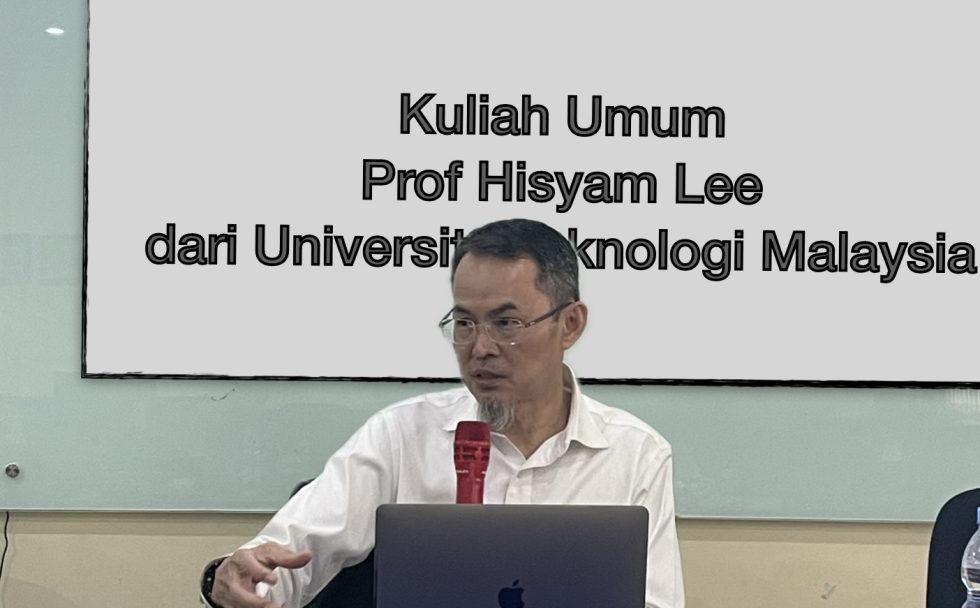
The Biology Undergraduate Program, Faculty of Mathematics and Natural Sciences, Universitas Diponegoro (UNDIP), held a Public Lecture entitled “Lidar in Ecological Research and Conservation Monitoring” in October 2024, presenting speakers from Arbor Meta, Australia. This event aims to promote sustainable land use (including forests and wildlands) through the application of advanced technology. The main discussion is the Application of Light Detection and Ranging (LiDAR) in ecological and bioconservation research. LiDAR technology is considered essential for mapping habitats, estimating biodiversity, and monitoring environmental changes with high accuracy, as well as assisting in calculating carbon stocks in nature, which supports environmental conservation efforts based on science and technology.

Water Consumption per Person

Sustainably Farmed Food on Campus

The cafeterias on the Universitas Diponegoro campus provide healthy and affordable menus for students and staff. The menu includes a variety of nutritious foods, including vegetarian and processed options tailored to the tastes of the younger generation. Prices range from a few thousand rupiah to tens of thousands, ensuring pocket-friendly prices. Furthermore, the cafeteria environment is clean and waste sorting is part of operational standards to support a healthy lifestyle and responsible consumption.

Water Consumption per Person

Maintain and Extend Current Ecosystems Biodiversity

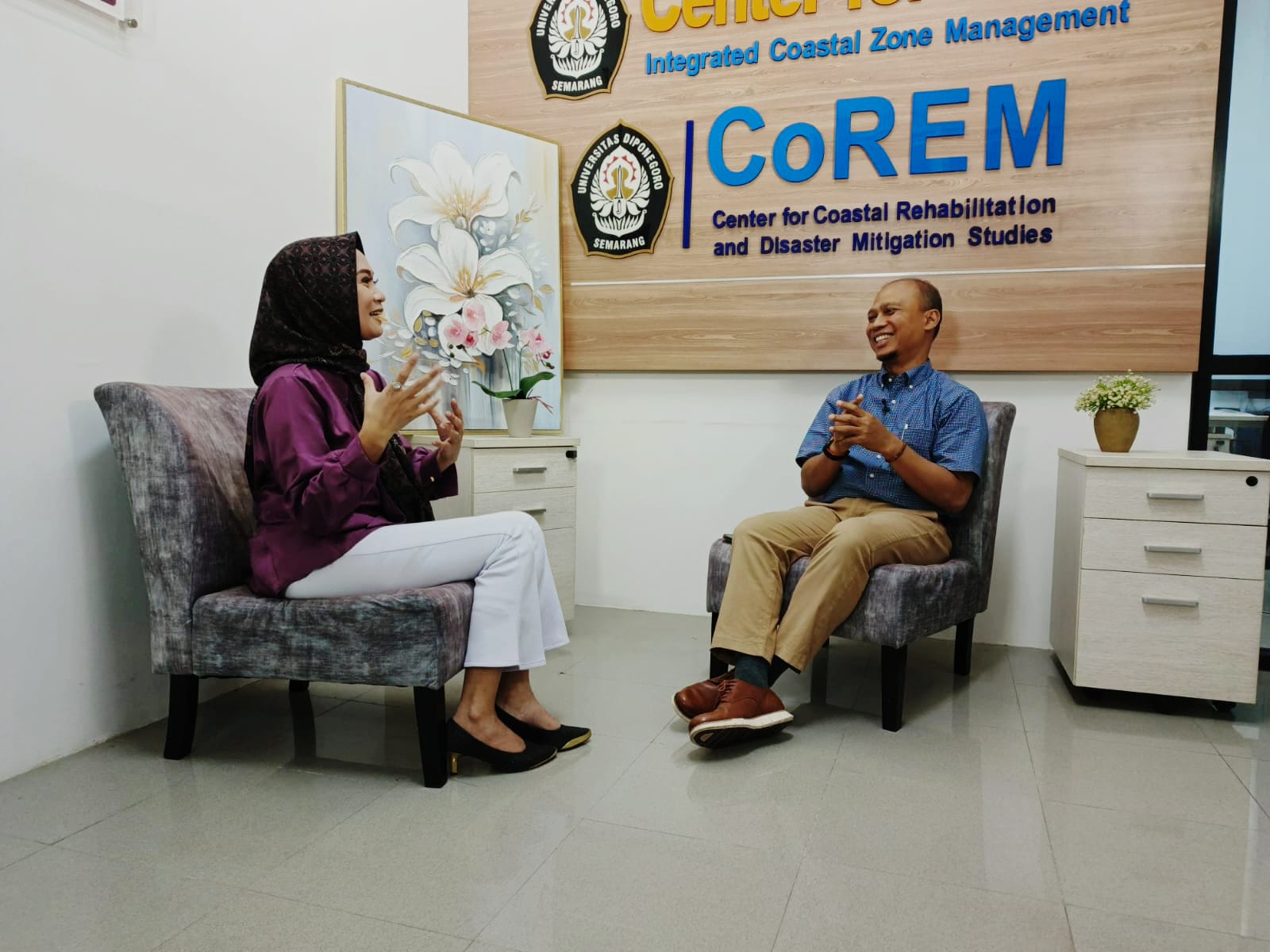
In November 2024, the Center for Integrated Coastal Area Management (ICZM UNDIP) held a workshop titled “Mangrove Ecosystem Governance and Mangrove Carbon: Encouraging Strengthening Coastal Ecosystem Policies in Indonesia.” This event brought together various stakeholders from government agencies, academics, and environmental organizations to discuss sustainable mangrove management strategies.

Through this discussion, ICZM UNDIP emphasized the important role of mangrove ecosystems in mitigating climate change through carbon sequestration and coastal protection from abrasion and natural disasters. Furthermore, the forum also produced policy recommendations that encourage science-based mangrove governance and local wisdom to strengthen the resilience of coastal ecosystems in Indonesia.

Water Consumption per Person

Education Programs on Ecosystems

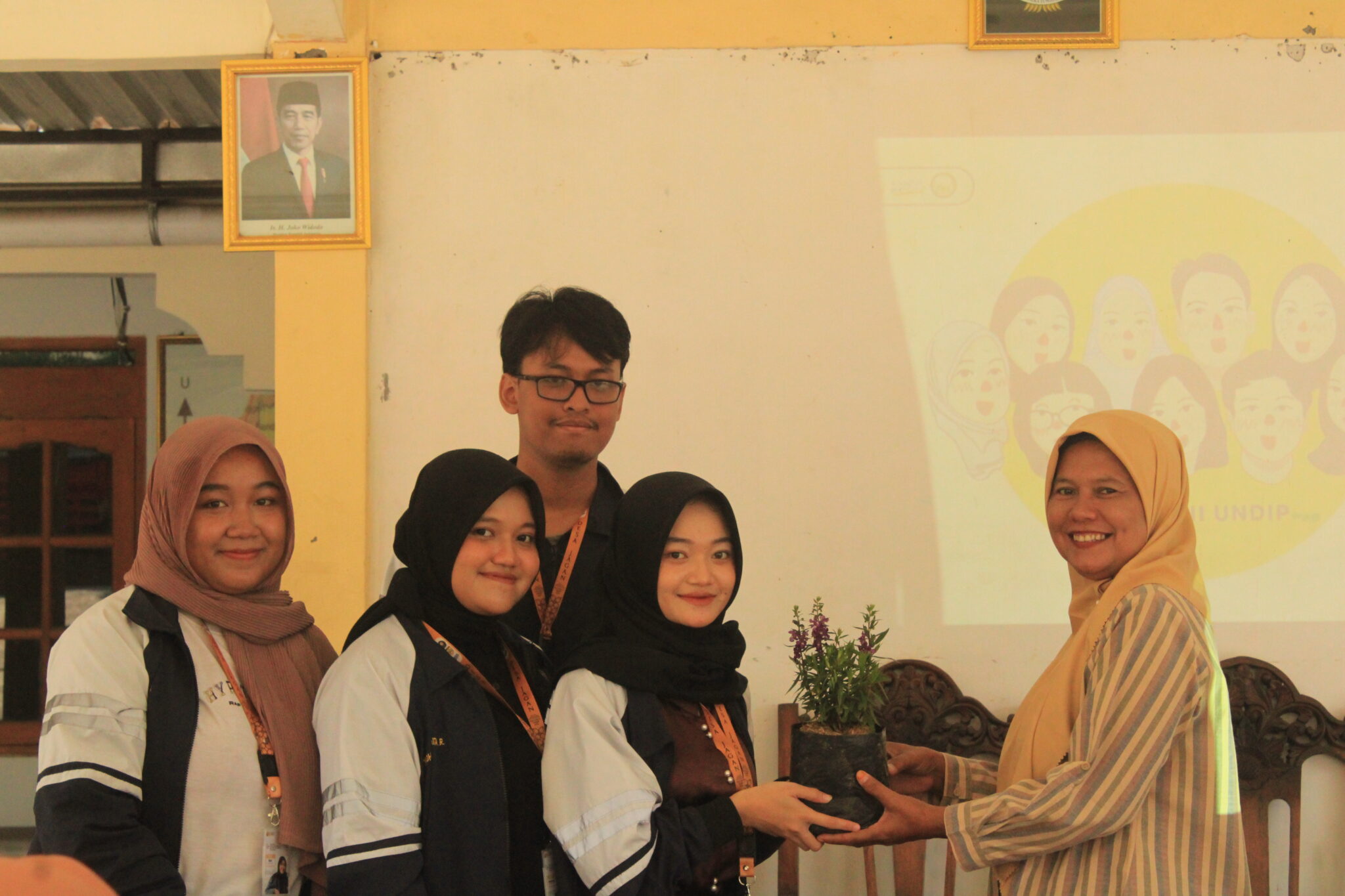
Universitas Diponegoro (UNDIP), through its Student Community Service (KKN) Team II of the Faculty of Science and Mathematics, held an educational program titled “Herbarium for Little Adventurers” for sixth-grade students of SDN 01 Wuluh. This program encouraged children to learn about and document the diversity of plants in their environment—from collecting herb specimens, pressing and drying them using newspaper, to recording important information such as plant names and collection locations. Through this activity, students not only learned interactively outdoors but also developed an awareness of the importance of the natural environment and their potential in biology and conservation. The KKN team hopes that this activity will be the first step in fostering a greater love for nature among the younger generation and fostering an understanding and sense of responsibility for environmental sustainability.

Water Consumption per Person

Sustainable Mgt of Land for Agriculture

The Faculty of Animal and Agricultural Sciences (FPP) at Universitas Diponegoro (UNDIP) officially adopted the slogan “Innovation for Sustainability” as the faculty’s strategic direction. This slogan reflects the view that innovation—whether in agricultural, livestock, or food technology—is not merely a tool for academic advancement, but also a bridge to environmental, social, and economic sustainability. Through this slogan, FPP UNDIP emphasizes that all teaching, research, and community service activities must align with long-term goals: preserving natural resources, empowering local communities and industry, and producing graduates who are ready to face global challenges with solutions that are responsible for the planet and people.

Water Consumption per Person

Sustainable Mgt of Land for Tourism

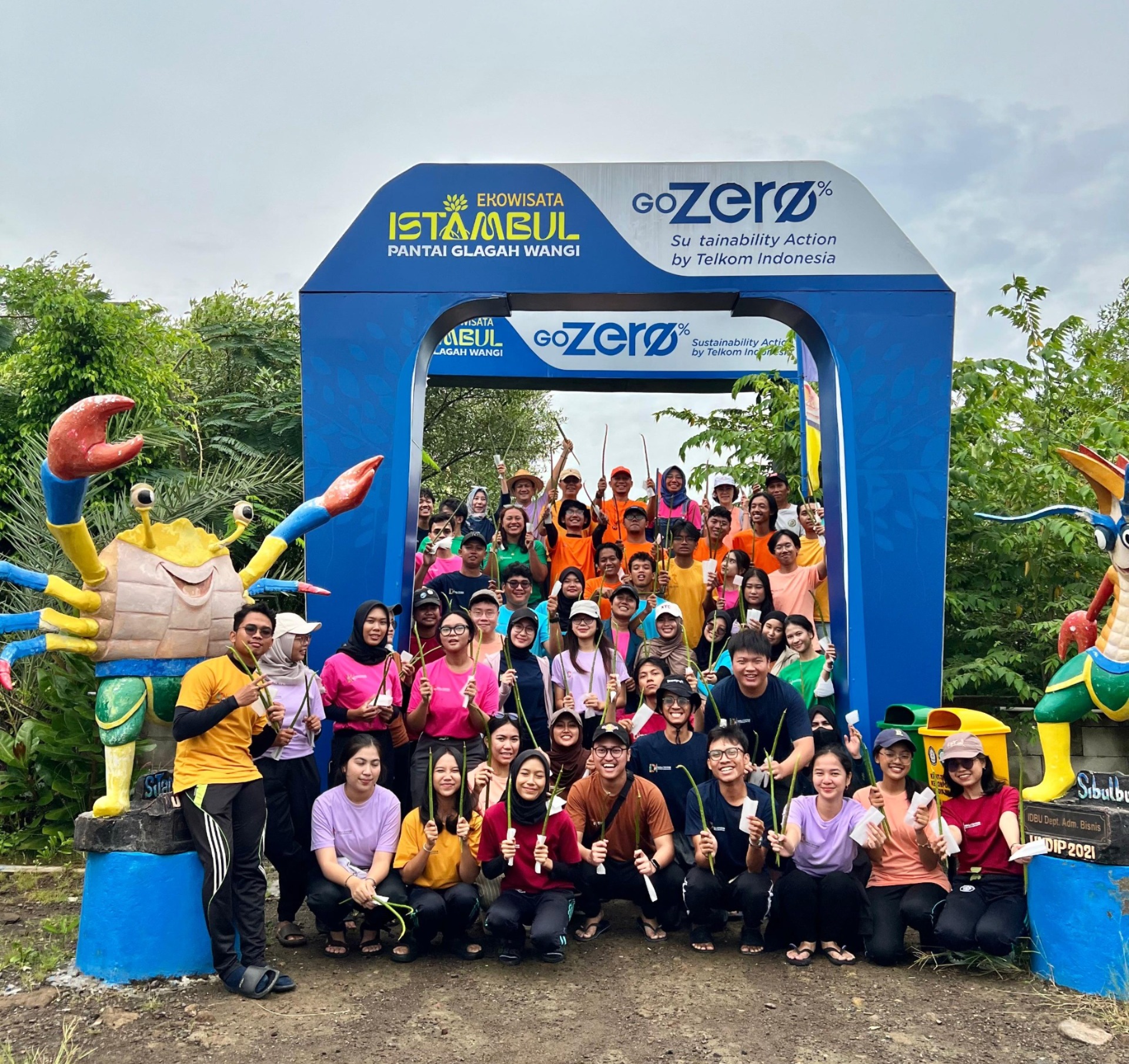
“Fourteen Universitas Diponegoro students conducted a Thematic Community Service Program (KKN) in Lerep Hamlet, Semarang Regency, with the theme “Eco Harmony: Developing Ecotourism Based on Natural Potential to Support Sustainable Tourism.”

Over the course of 45 days, they engaged in various activities, including education on planting and maintaining tree seedlings, organic waste management through the production of eco-enzymes, and training in village tourism management and promotion through the creation of a management website. The students also created educational leaflets on the benefits of fish therapy from a psychological perspective to support health tourism.

This program aims to strengthen the natural and cultural potential of Lerep Village as a sustainable ecotourism destination while raising public awareness of the importance of environmental sustainability in tourism management.”

Supporting Land Ecosystems through Action

Waste Water Treatment

Sustainable Land Use, Conservation & Restoration

Universitas Diponegoro (Undip) has established a strategic policy to ensure the conservation, restoration, and sustainable use of terrestrial ecosystems, particularly forests, mountains, and drylands associated with the university and its surrounding areas. This policy aims to preserve biodiversity and maintain ecosystem integrity to support long-term ecological and social functions. Through collaborative efforts among faculties, natural resource units, and local communities, Undip promotes the restoration of degraded areas, protection of natural habitats, and environmental education for its academic community. This initiative strengthens the university’s commitment to sustainability and responsible stewardship of natural resources.

Waste Water Treatment

Monitoring IUCN and Other Conservation Species

The university has established a formal policy to identify, monitor, and protect species listed on the International Union for Conservation of Nature (IUCN) Red List and the national conservation list, particularly those inhabiting areas affected by campus operations. This policy includes habitat monitoring, species recording, and mitigation measures to minimize ecological disturbances. Through these efforts, the university demonstrates its strong commitment to preserving biodiversity while conducting academic and operational activities. This initiative reflects the institution’s dedication to environmental sustainability and the protection of endangered and vulnerable species.

Waste Water Treatment

Local Biodiversity Included in Palnning and Development

Universitas Diponegoro (UNDIP) is actively monitoring and conserving biodiversity on the Tembalang campus. Observations have shown a rapid increase in the number of flora species on campus since 2019, with more than 180 plant species from 45 families identified by 2024, including several protected species listed on the IUCN Red List.

Furthermore, 166 fauna species, including birds, butterflies, dragonflies, amphibians, fish, and mammals, have been recorded—a significant increase from 64 species in 2019. The diversity index indicates that the campus ecosystem is classified as high and stable.

Through these efforts, UNDIP is establishing its campus not only as a center for education and research, but also as a conservation area that supports biodiversity conservation and the implementation of sustainable development principles.

Waste Water Treatment

Alien Species Impact Reduction

The university has introduced Universitas Diponegoro’s Circular No. 30/2022, specifically targeting the reduction of invasive alien species across campus landscapes. This directive mandates the identification, monitoring and timely removal of non-native flora and fauna that may disrupt local ecosystems. The policy outlines collaboration between campus sustainability teams and ecological experts to restore affected areas and implement preventive measures. Through this proactive stance, the university strengthens its commitment to protecting indigenous biodiversity, ensuring a healthier and more balanced environment for both academic and natural communities.

Waste Water Treatment

Collaboration for Shared Land Ecosystems

In April 2025, the SDGs Center of LPPM Universitas Diponegoro collaborated with PT PLN (Persero) and PT Pelabuhan Indonesia (Pelindo) in an integrated program to maintain ecosystems and empower communities on the north coast of Central Java. This program focuses on increasing food security, restoring marine and coastal ecosystems, and strengthening the local economy in three coastal villages in Demak Regency: Morodemak, Purworejo, and Margolinduk. Activities include providing GPS-based fishing technology (fish finders) to increase fishermen’s catches, training in processing waste and fishery products to add economic value, and building artificial coral reef structures and fish apartments from environmentally friendly materials to restore marine habitats. This collaboration reflects UNDIP’s commitment to establishing cooperation between academia, industry, and government to realize sustainable, inclusive, and community-based coastal development.

Publications

en_USEnglish