Goal 14 Life Below Water
Conserve and sustainably use the oceans, seas, and marine resources for sustainable development: what Universitas Diponegoro is doing in pursuit of this goal.
Water Sensitive Waste Disposal
Water Discharge Guidelines and Standards
Universitas Diponegoro (UNDIP) upholds strict water discharge guidelines aligned with Peraturan Daerah Kota Semarang No. 2 Tahun 2023 tentang Pengelolaan Air Limbah Domestik, ensuring wastewater is treated before release to protect ecosystems, wildlife, and human health. All discharges from laboratories, dormitories, and campus facilities must meet Baku Mutu Air Limbah Domestik standards, covering parameters such as pH, BOD, COD, TSS, and coliform. Treatment is carried out through physical, biological, or chemical processes using SPALD systems (Setempat and Terpusat) to prevent contamination of surface and groundwater. Effluent quality is monitored at least every six months and reported to the local environmental agency. Treated water is reused for non-potable purposes (toilet flushing, irrigation, fire hydrants), and sludge is composted for non-food plants, supporting UNDIP’s circular campus program and sustainable water management in compliance with national and municipal environmental regulations.
Action Plan to Reduce Plastic Waste
The SDGs Thematic Community Service (KKN) team from Universitas Diponegoro held the TPST Day event at the UPT K3L UNDIP facility under the theme “Optimization of UNDIP’s TPST as an Educational Platform for Circular Economy and Zero Waste Management.” The event involved 36 students from five teams showcasing the outcomes of their community projects. It also served as an educational forum on sustainable waste management for the university community and surrounding residents. Through this initiative, UNDIP reaffirmed its commitment to transforming waste management into circular economic opportunities and advancing its vision of a sustainable, zero-waste campus.
This initiative is aligned with the Rector’s Regulation of Universitas Diponegoro Number 5 of 2023 on Waste Management, which mandates an integrated, environmentally friendly, and participatory system across all academic and administrative units. The regulation emphasizes the reduce, reuse, recycle (3R) principles, segregation of waste at source, and the transformation of waste into resources. By implementing TPST Day, UNDIP operationalizes this regulation through education, research, and community involvement, positioning the TPST UNDIP as a living laboratory for sustainable campus management and a model of circular economy practices in higher education.
Reducing Marine Pollution
Universitas Diponegoro has issued Circular Letter No. 28 of 2024, emphasizing the importance of preventing and reducing marine pollution, especially from land-based activities. This policy highlights coordination among university units to minimize land-origin waste entering marine ecosystems, such as plastics, industrial residues, and chemical runoff. To implement the regulation, the university promotes an integrated waste management system, academic community education, and regular monitoring of coastal water quality near the campus area. Through this initiative, Diponegoro University actively contributes to reducing marine pollution and supporting the conservation of coastal and marine ecosystems.
Maintaining a Local Ecosystem
Minimizing Alteration of Aquatic Ecosystems
The Faculty of Fisheries and Marine Science (FPIK) UNDIP successfully organized The 8th International Conference on Tropical and Coastal Region Eco Development (ICTCRED) 2024, which serves as an important platform to discuss challenges and solutions for aquatic ecosystem sustainability. This international conference concluded points of coastal aquatic ecosystem conservation based on the latest research disemination on coastal resource management and climate change impact mitigation. The conclusion could directly become basic of making efforts plan to minimize physical, chemical, and biological alterations in threatened tropical and coastal aquatic ecosystems.
Monitoring the Health of Aquatic Ecosystems
Universitas Diponegoro (UNDIP) is actively engaged in research and initiatives focused on monitoring the health of aquatic ecosystems, with several studies published or forthcoming in 2024–2025 through its journals. Key areas of focus include: River Health Assessment, where UNDIP researchers apply both biotic (biotilik) and physical observation methods, as demonstrated in the Boyong River assessment. Marine Ecosystem Monitoring explores chlorophyll-a indicators to evaluate marine ecosystem quality and human impact, alongside assessments of seagrass health in Eastern Indonesia. Technological Advancements feature the integration of IoT-based automated systems for real-time water quality monitoring (pH, turbidity, temperature). Pollution and Remediation Studies address mercury phytoremediation using aquatic plants and conduct bibliometric reviews of industrial pollution research. Community Involvement emphasizes participatory monitoring and environmental education to enhance local surveillance systems in island regions, demonstrating UNDIP’s commitment to sustainable aquatic ecosystem management.
- https://ejournal3.undip.ac.id/index.php/jtm/article/view/34318?
- https://ejournal.undip.ac.id/index.php/ijms/article/viewFile/63731/pdf#:~:text=These%20findings%20highlight%20the%20ecological,dynamics%20and%20their%20ecological%20significance.&text=We%20thank%20the%20Faculty%20of,in%2Ddepth%20and%20accurate%20analyses.
- https://ejournal2.undip.ac.id/index.php/jsp/article/download/24800/pdfhttps://www.aquapublisher.com/index.php/ija/article/html/3861/#:~:text=5.2%20Marine%20ecosystems,et%20al.%2C%202022).
Programs Towards Good Aquatic Stewardship Practices
The Department of Capture Fisheries (DPT) FPIK UNDIP carried out a community service activity in Pakis, Magelang, by introducing and training the practice of Fish Cultivation in Buckets (Budikdamber). The program aims to encourage good and sustainable aquatic stewardship practices at the household level, especially where land and water resources are limited. Through Budikdamber, the community receives incentives in the form of simple technology training to produce fish (catfish) and vegetables independently, which not only enhances local food security and economy but also reduces pressure on public aquatic resources and promotes environmentally friendly aquaculture.
Collaboration for Shared Aquatic Ecosystems
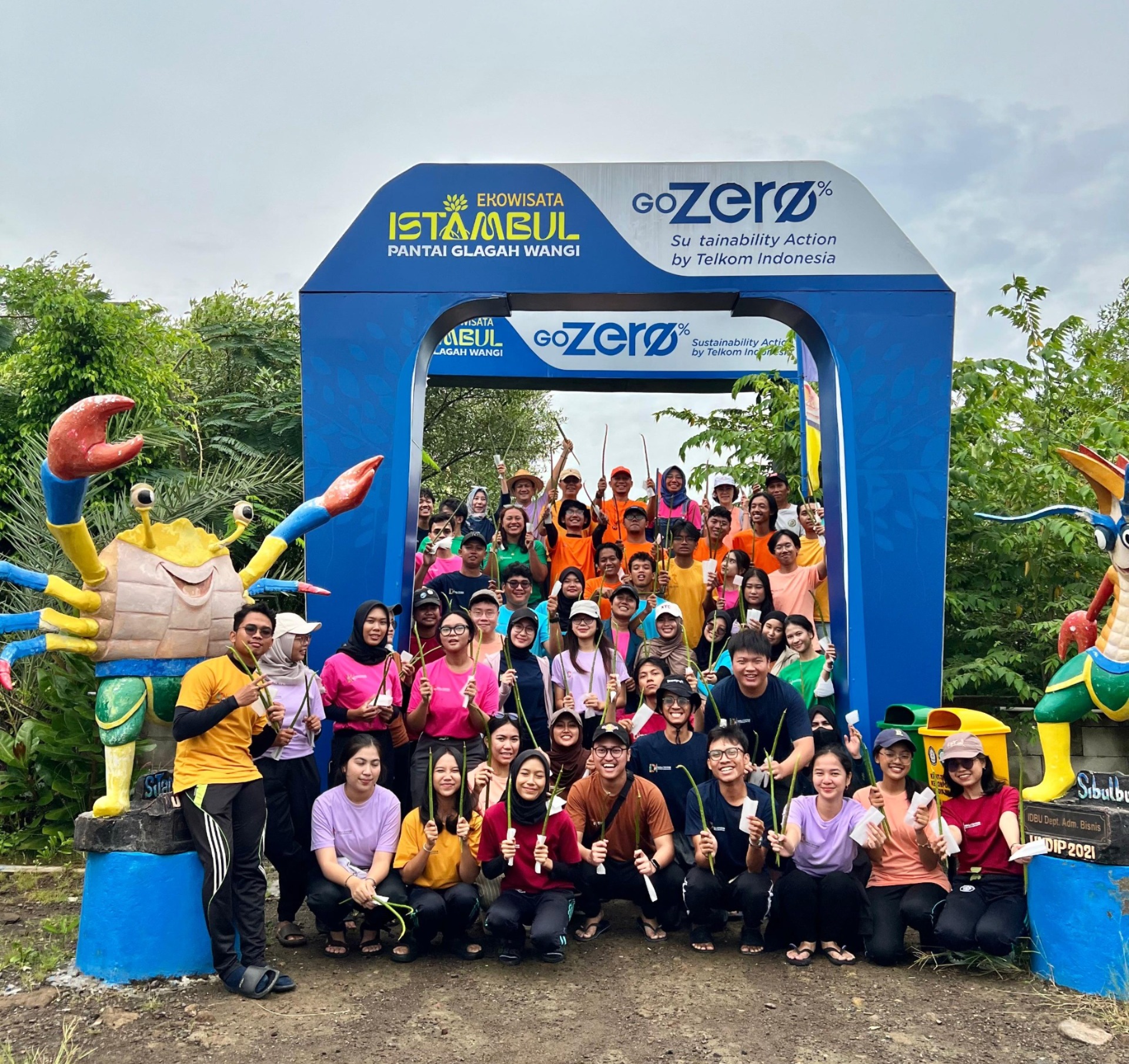
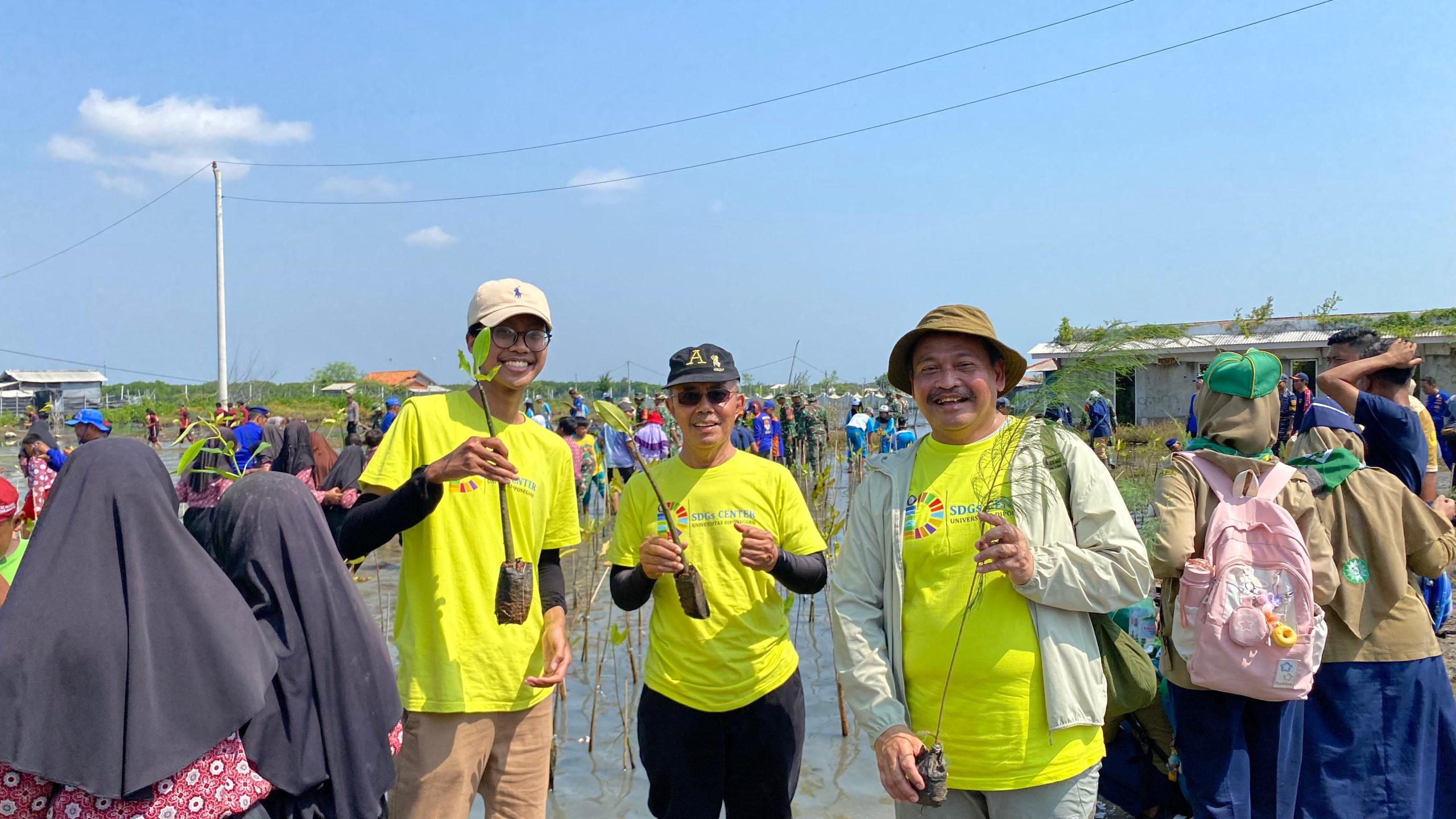
The article summarizes a Collaboration activity between the UNDIP 2023 Thematic KKN-SDGs Team, the UNDIP IDBU Team, and the Local Community (including BUMDES) in Tambakbulusan Village, Demak. This collaboration focused on efforts to maintain shared aquatic ecosystems through the planting of 500 mangrove seedlings on Glagah Wangi Beach. This action utilized the guludan (demplot) technique and aimed to rehabilitate the coastal environment damaged by abrasion, while restoring the ecological function of mangroves. The activity affirms the university’s role in supporting sustainable development and coastal preservation through community service.
Watershed Management Strategy
Universitas Diponegoro (UNDIP) is innovating mangrove nurseries using environmentally friendly technology in Tambakbulusan Village, Demak Regency. This innovation utilizes biodegradable polybags as a planting medium that can decompose naturally, replacing conventional plastic polybags that have the potential to pollute the environment. Through this program, UNDIP focuses not only on the technological aspect but also on empowering coastal communities by involving community groups and Village-Owned Enterprises (BUMDes) in mangrove nurseries and planting activities. This effort aligns with UNDIP’s commitment to supporting coastal ecosystem conservation, climate change mitigation, and the achievement of sustainable development goals (SDGs).
Explore UNDIP SDGs Impact!
Supporting Aquatic Ecosystems through Education
Fresh Water Ecosystems
In 2024, Universitas Diponegoro (UNDIP) strengthened its community education on freshwater ecosystems through integrated teaching, research, and service initiatives. Key programmes included technological innovation and village-level training for sustainable water management. UNDIP developed a solar-powered seawater desalination unit at Teluk Awur, Jepara, producing 200,000 liters of drinking water per day in collaboration with Jepara Regency and Australian National University to address clean-water scarcity in coastal Central Java. Through the KKN Tematik Desa Lerep program, students partnered with PAMSIMAS to map water pipelines and calculate water availability, confirming a local surplus while introducing digital monitoring for long-term sustainability. Together, these initiatives demonstrate UNDIP’s commitment to strengthening local resilience through water innovation, community education, and sustainable freshwater ecosystem management.
- https://harianterkini.id/2024/05/16/atasi-krisis-air-minum-di-pantura-undip-siapkan-teknologi-desalinasi-air-laut/
- https://ptrp.vokasi.undip.ac.id/2024/12/mahasiswa-kkn-t-undip-berkolaborasi-dengan-pengelola-pamsimas-dalam-perhitungan-ketersediaan-air-menjamin-ketersediaan-air-bersih-berkelanjutan-di-dusun-lerep/#:~:text=Wujud%20kontribusi%20mahasiswa%20kepada%20masyarakat%20yaitu%20dengan,masyarakat%20Desa%20Lerep%20oleh%20mahasiswa%20Universitas%20Diponegoro
Sustainable Fisheries
In 2024, Universitas Diponegoro (UNDIP) advanced extensive community-based education and outreach on sustainable fisheries, aquaculture, coastal tourism, and mangrove ecosystem management. Through initiatives led by the Faculty of Fisheries and Marine Science (FPIK) and the UNDIP SDGs Center, the university empowered local communities with technological innovation and environmental stewardship. A major program was the autofeeder technology for freshwater fish farming in UNDIP’s Special Purpose Forest (KHDTK), integrating smart aquaculture systems. The Department of Informatics also promoted automated catfish farming to enhance food security and efficiency.
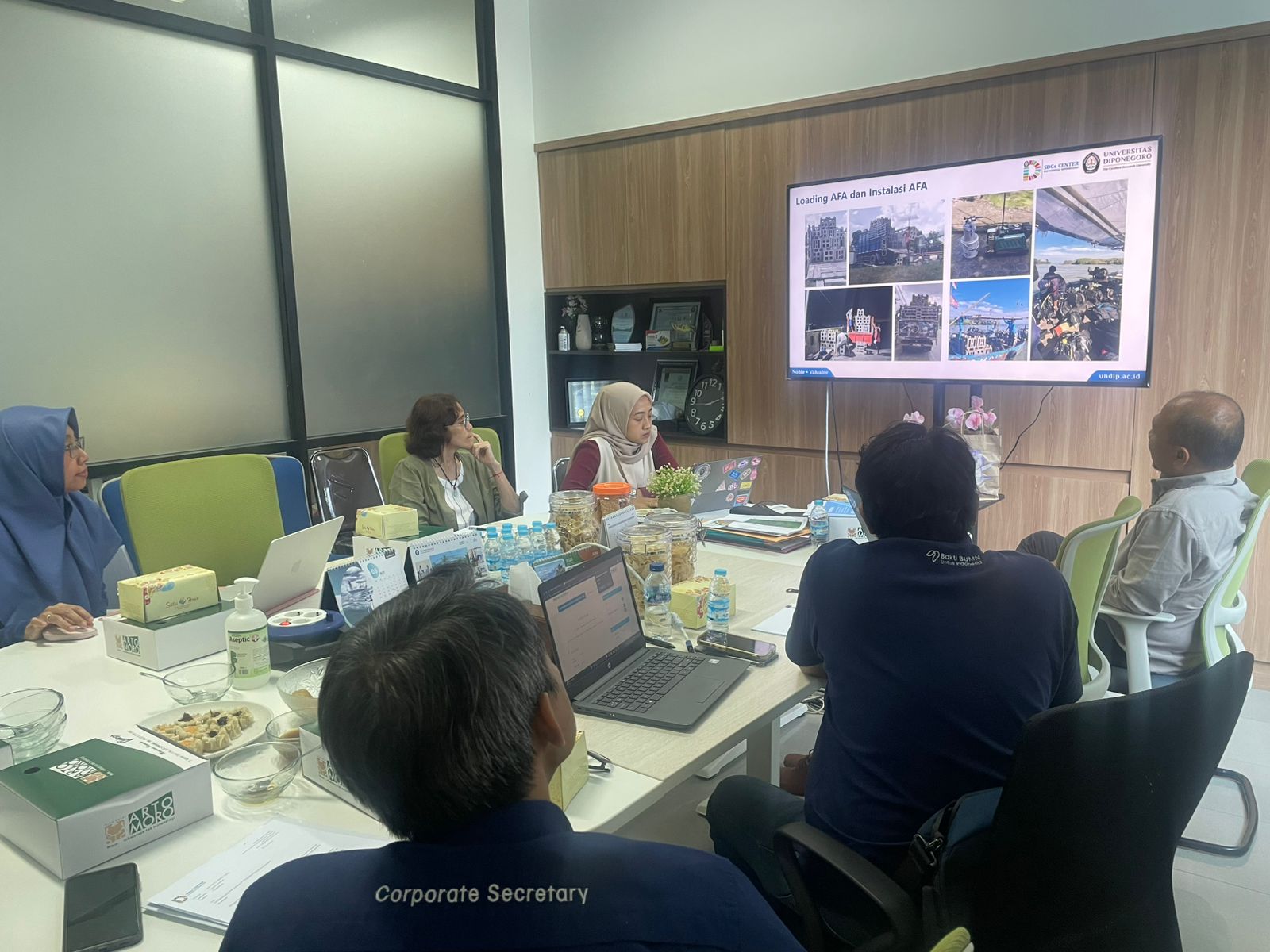
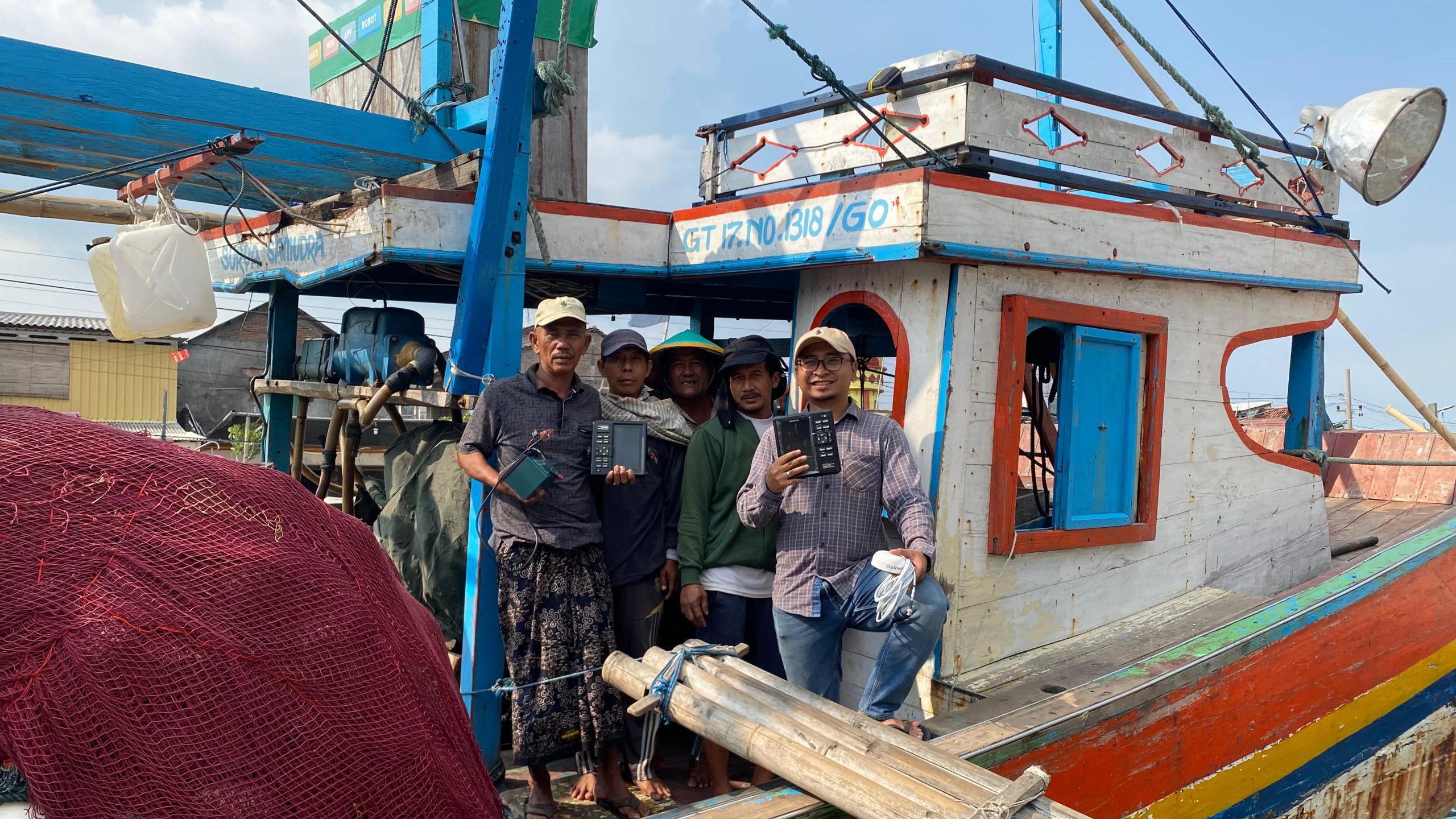
UNDIP further supported coastal communities through GPS fish finder distribution in Demak to optimize fishing and fuel use, and Field Schools for Fish Farmers promoting Low External Input Sustainable Aquaculture (LEISA). The university also pioneered artificial patch reefs (APR) made from non-toxic fly ash (FABA) to restore marine habitats and biodiversity. Complementing these efforts, the Integrated Demak Blue Carbon Unit (IDBU) in Tambak Bulusan developed eco-tourism and mangrove-based education, turning degraded ponds into productive, low-carbon ecosystems. These combined initiatives illustrate UNDIP’s holistic approach to community empowerment, blue carbon conservation, and sustainable coastal livelihoods.
- https://sdgscenter.undip.ac.id/id/2025/06/26/efisien-dan-berdampak-nyata-sdgs-center-undip-dan-pt-pelindo-evaluasi-pemanfaatan-teknologi-perikanan-di-tiga-desa-pesisir-demak/
- https://dsi.pasca.undip.ac.id/2024/07/27/program-studi-dsi-undip-implementasikan-autofeeder-untuk-budidaya-ikan-air-tawar/
- https://undip.ac.id/post/40247/undip-lakukan-terobosan-pembibitan-mangrove-menggunakan-teknologi-ramah-lingkungan.html
Overfishing
The UNDIP Thematic Community Service Program (KKN-T) students conducted an educational program for fishing communities around Rawa Pening regarding the importance of using environmentally friendly fishing gear. This activity aimed to address potential damage to aquatic ecosystems caused by destructive and unsustainable fishing practices. The program focused on socializing the negative impacts and introducing selective, alternative fishing gear. It was hoped that this activity will encourage fishers to implement sustainable fishing for the preservation of fish resources and long-term benefits in Rawa Pening.
Supporting Aquatic Ecosystems through Action
Ocean Conservation & Sustainable Use
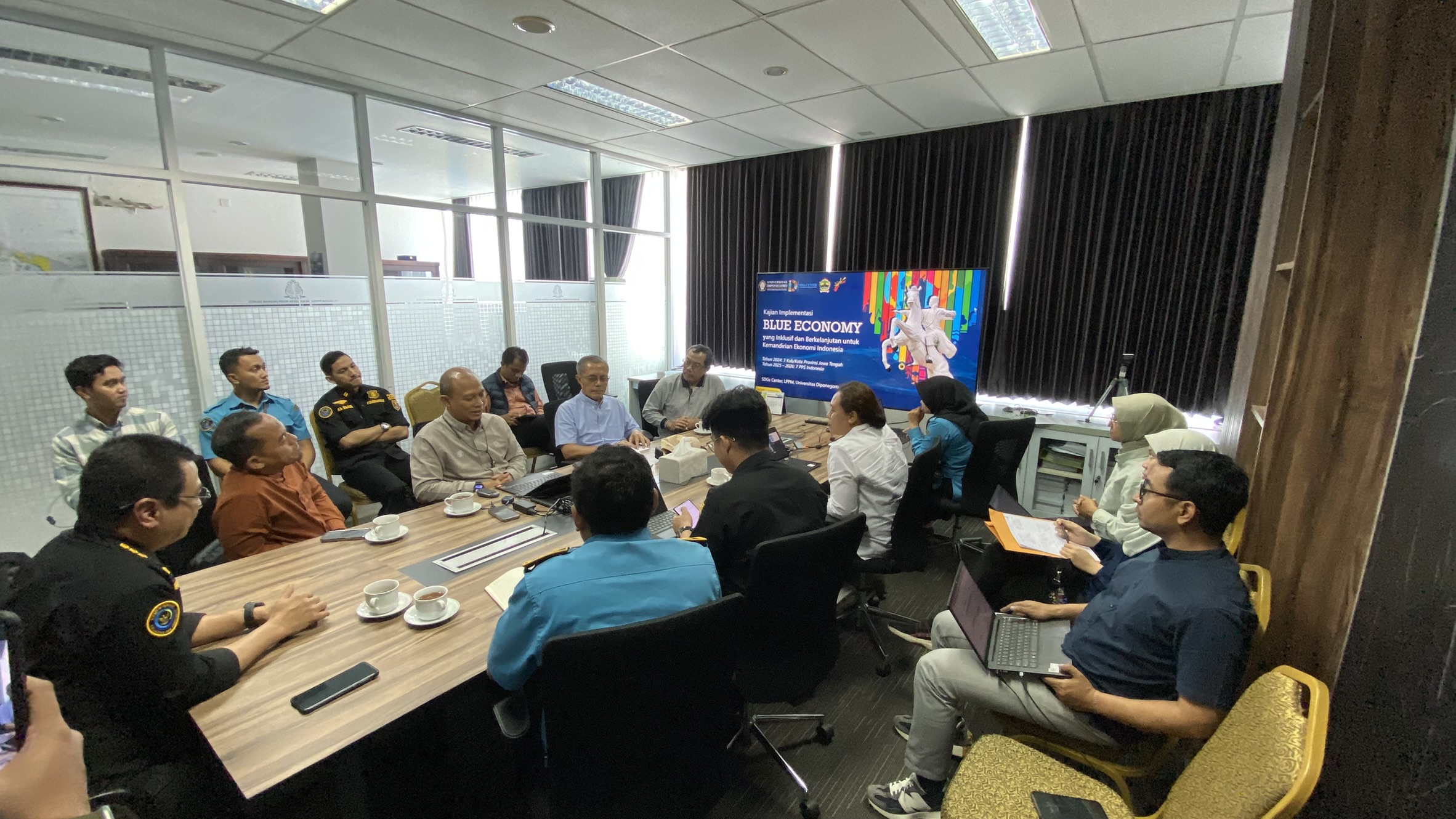
The Faculty of Fisheries and Marine Sciences (UNDIP) (FPIKUNDIP) and the Coastal and Marine Resources Management Center (LPSPL) Serang held a research dissemination and collaborative discussion aimed at safeguarding the future of protected fish conservation in Indonesia.
The event featured representatives from various government agencies, research institutions, universities, and conservation organizations to present their research, strengthen networks, and support the development of sustainable management policies.
The core objective: to combine science, research, and cross-stakeholder collaboration to address the challenges of maintaining protected fish biodiversity—so that Indonesia’s marine resources remain sustainable.
Food From Aquatic Ecosystems (Policies)
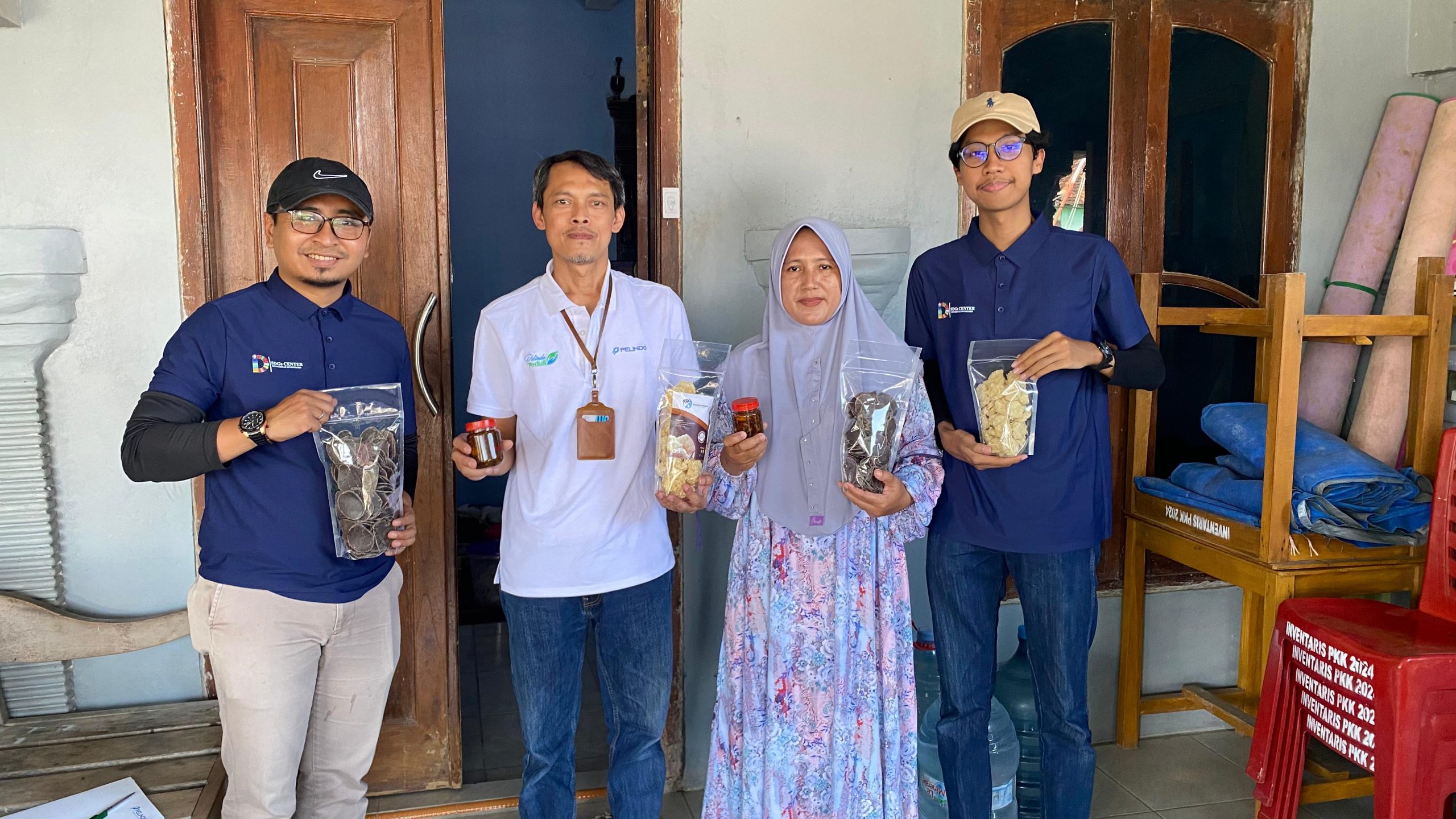
The policy is decreed under circulation number 23 Year 2024 about sustainable agriculture and fisheries. This policy reflects Universitas Diponegoro’s commitment to ensuring that all food provided on campus is sourced in accordance with sustainable harvesting principles. Additionally, the university encourages students and staff to create processed food products sourced from aquatic ecosystems in a sustainable manner. In addition to food production, students receive instruction on how to promote and market these food items, including selling them during the Faculty of Fisheries and Marine Sciences anniversary celebration.
Maintain Ecosystems and Their Biodiversity (Direct Work)
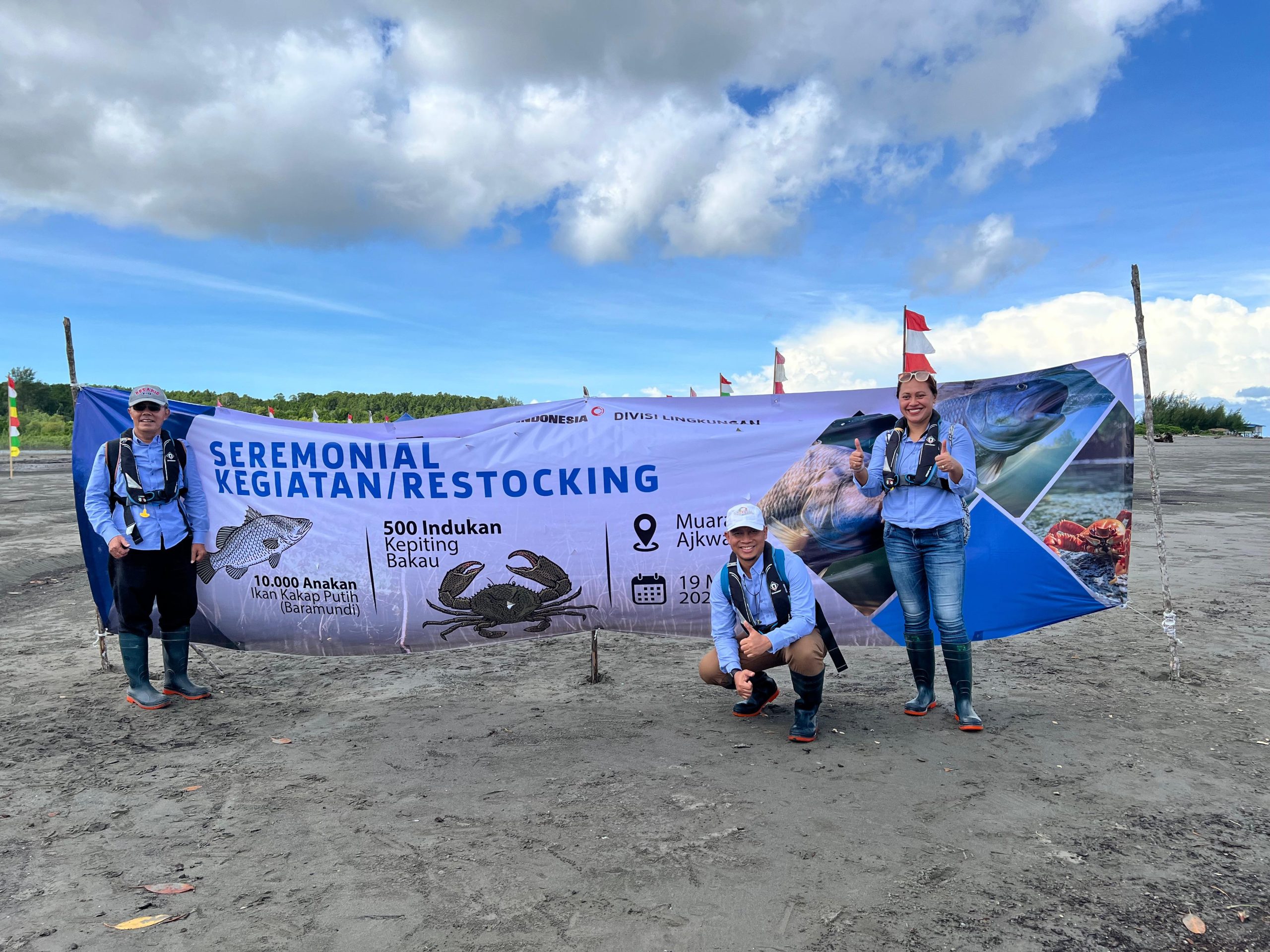
In 2024, Universitas Diponegoro (UNDIP) conducted integrated research and intervention programs to maintain and recover ecosystems under threat in two strategic areas — the Ajkwa Estuary (Papua) and Taman Kasih Sayang (Bontang). In partnership with PT Freeport Indonesia, UNDIP carried out biodiversity monitoring and ecological restoration in the Ajkwa Estuary, focusing on mangrove vegetation health, aquatic species diversity, sediment quality, and carbon stock dynamics, followed by direct replanting and hydrological rehabilitation to accelerate estuary recovery. Meanwhile, in collaboration with PT Pupuk Kaltim, UNDIP implemented post-industrial land rehabilitation and biodiversity recovery at Taman Kasih Sayang through native vegetation reintroduction, fauna recolonization assessment, and community-based environmental education.
Technologies Towards Aquatic Ecosystem Damage Prevention (Direct Work)
A research team from Diponegoro University (UNDIP) is implementing mangrove ecosystem rehabilitation technology in the area surrounding the Indonesian capital city, East Kalimantan.
This activity includes clearing damaged land, creating mangrove planting areas, and filling in local sediment using wood and bamboo as retaining structures. The goal is to strengthen the mangrove ecosystem’s function as a coastline protector and carbon sink.
This program supports the development of an environmentally friendly Indonesian capital city, mitigates coastal ecosystem damage, and optimizes mangrove ecosystem services. This initiative also strengthens UNDIP’s research and community service efforts in restoring tropical and coastal areas, in line with sustainable development goals.
Publications