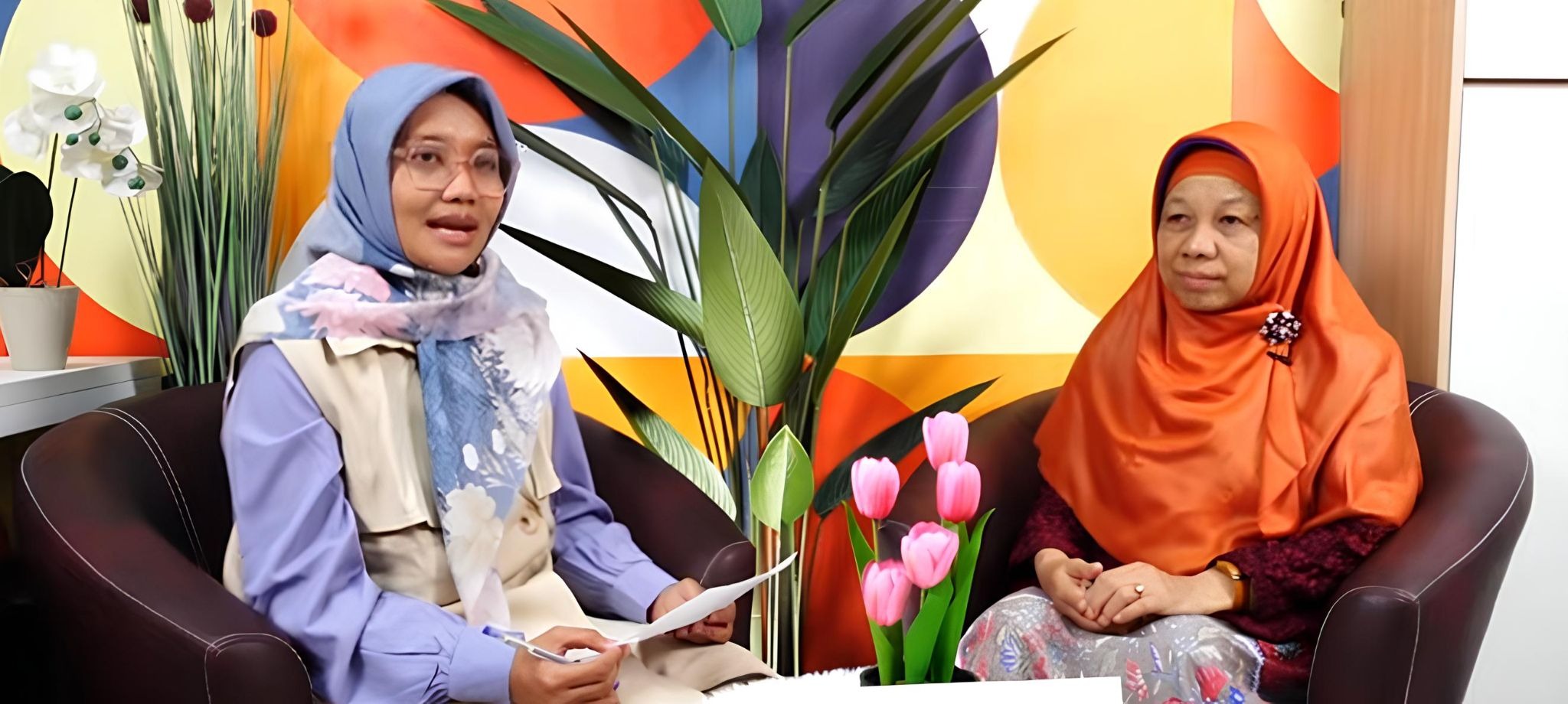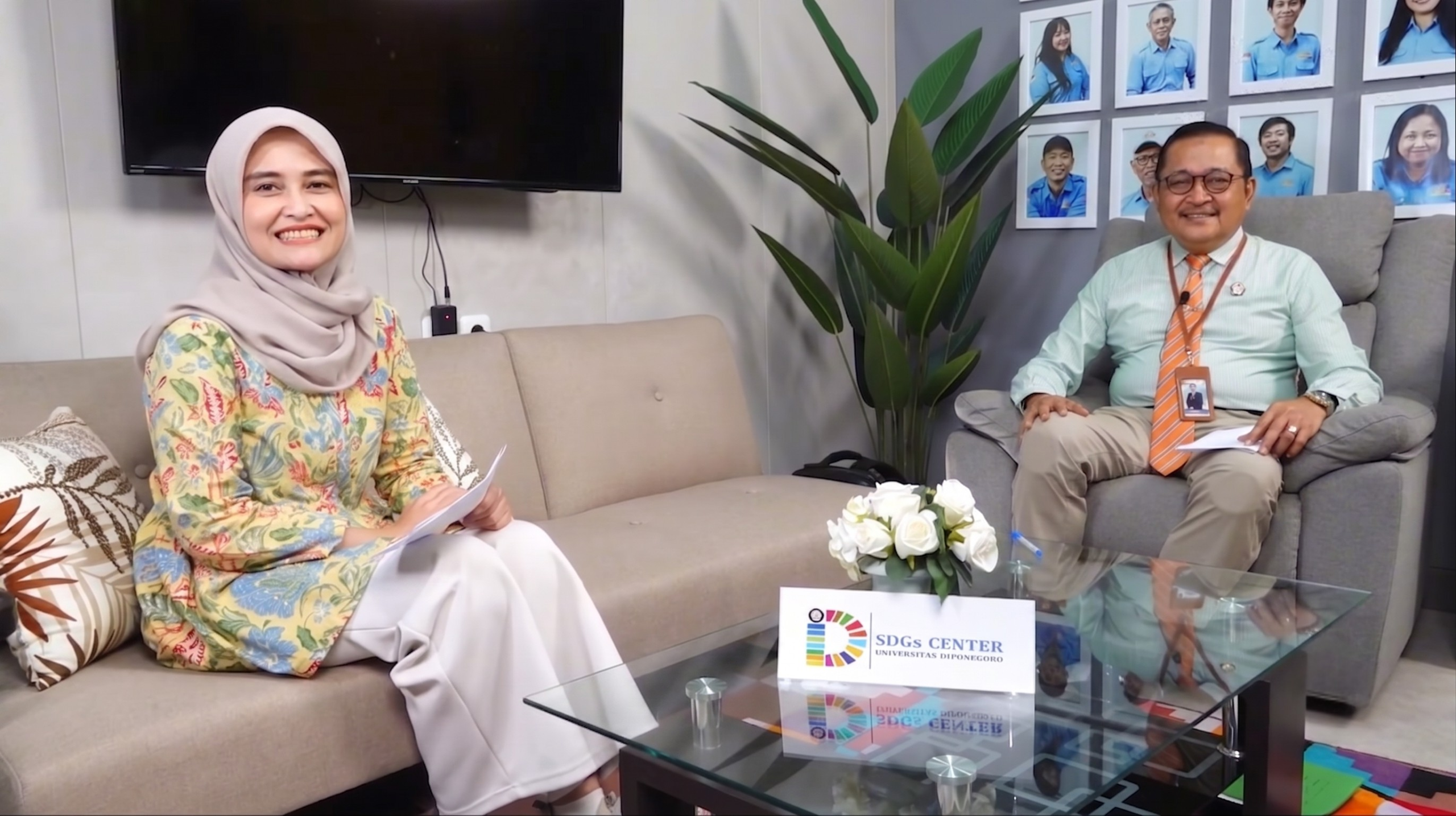

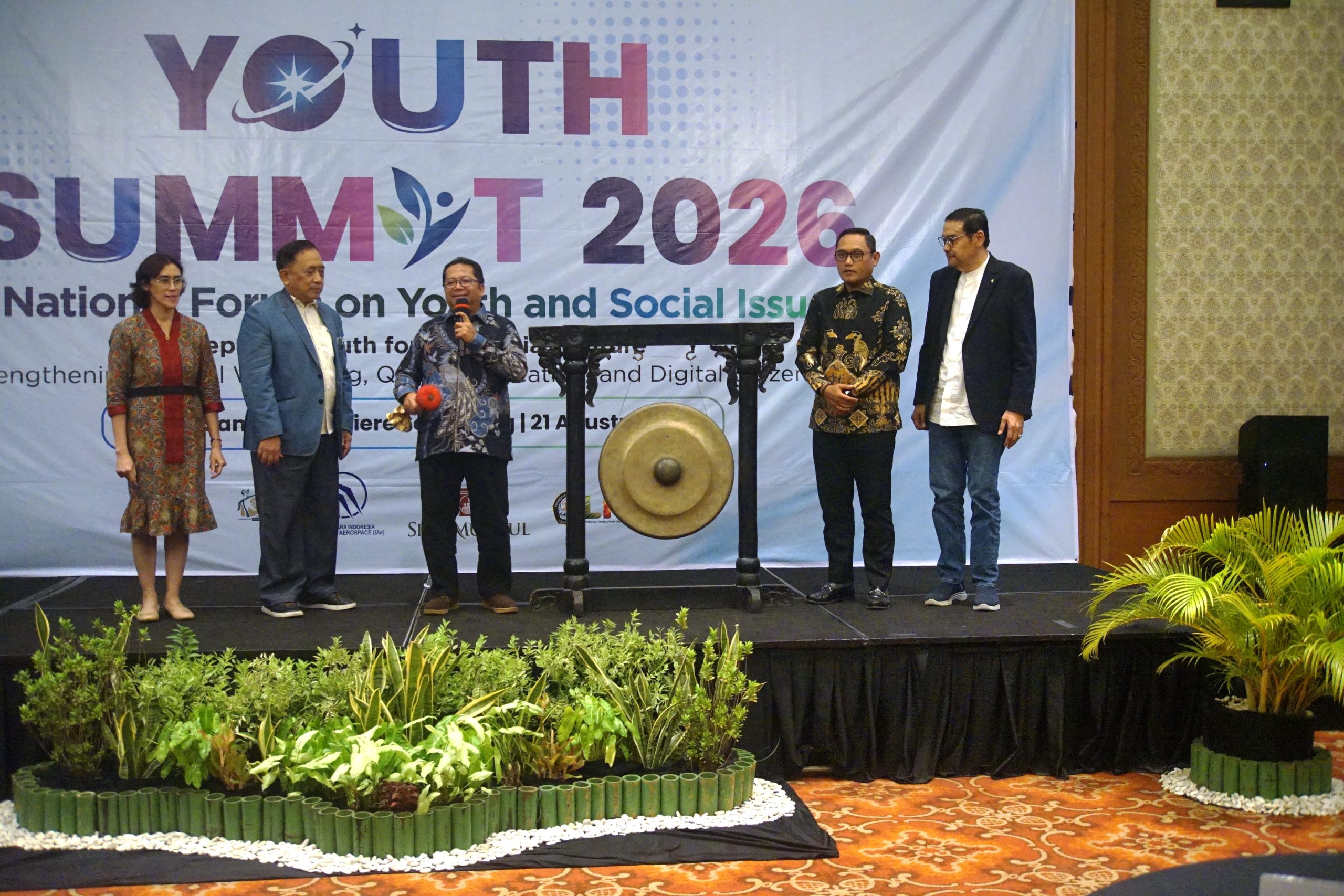
Semarang, 21 August 2026 – Youth Summit 2026: National Forum on Youth and Social Issues was successfully held at Hotel Santika Premiere Semarang on Friday, August 21, 2026. Initiated by Aljiro Smansa Semarang in collaboration with the SDGs Center of Diponegoro University (UNDIP), the forum brought together students, teachers, academics, government representatives, and various stakeholders from across Indonesia to discuss challenges facing young people in education, mental well-being, and digital readiness.
Under the theme “Preparing Indonesia’s Future Generation: Mental Well-being, Quality Education, and Digital Readiness,” Youth Summit 2026 provided a platform for young people and stakeholders to exchange perspectives on the need for an education system that is more responsive to the changing needs of students and better prepares Indonesia’s younger generation for the future.
One of the key issues discussed at the forum was the academic burden experienced by students. Based on a survey conducted by the SDGs Center UNDIP, 29 percent of high school students reported that their academic burden was very high. Academic pressure, when combined with challenges from family and social environments, may contribute to burnout and negatively affect students’ mental well-being.
Head of the SDGs Center UNDIP, Prof. Bulan Prabawani, emphasized the importance of strengthening support mechanisms within schools. While school guidance and counseling teachers play an important role in supporting students, certain conditions require further assistance from professional psychologists or psychiatrists.
As one effort to strengthen early support for students, the SDGs Center UNDIP has developed a peer counseling approach in collaboration with SMA Negeri 1 Semarang. Selected students with strong social awareness and concern for their peers receive training and learning modules to help them recognize mental health concerns, provide appropriate initial responses, and identify situations that require further support or referral to professional services.
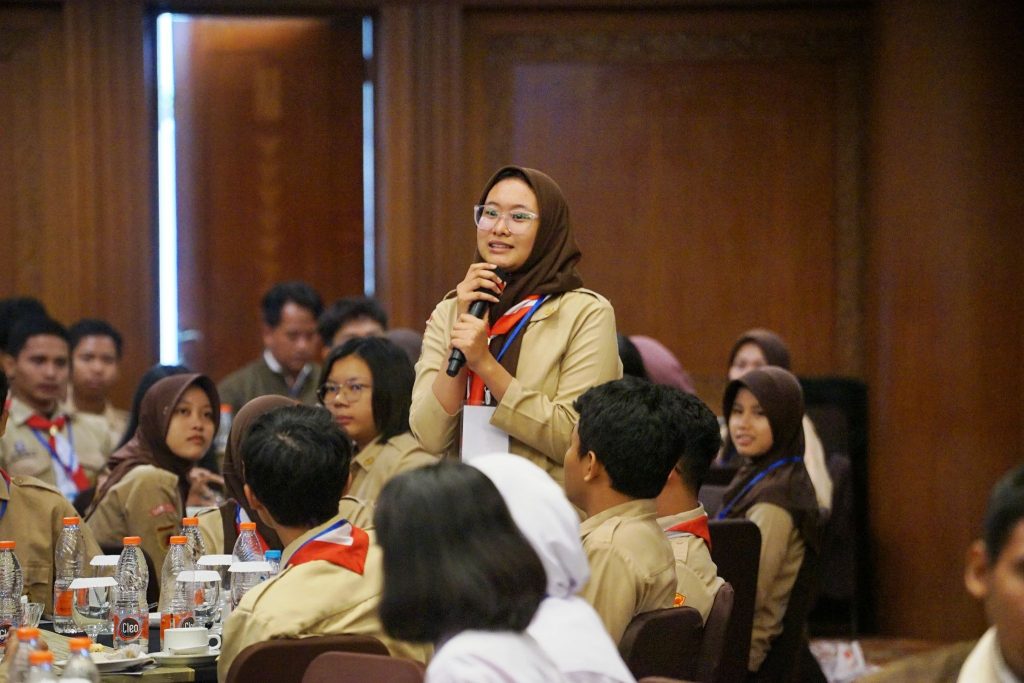
In addition to mental well-being, digital readiness was another important issue discussed during the forum. More than 80 percent of Indonesian high school students are reported to have access to smartphones and the internet, although the quality and stability of access vary across regions.
High levels of access to technology do not automatically translate into adequate digital capabilities. Technology use needs to be guided so that it goes beyond content consumption and creation toward developing productive, critical, creative, and responsible digital skills. The forum also encouraged the appropriate use of digital media and artificial intelligence (AI) in education.
Youth Summit 2026 also highlighted disparities in educational conditions across different regions of Indonesia. Participants came from various parts of the country, including Central Java and other areas of Java, as well as Sumatra, Kalimantan, Papua, and island communities in eastern Indonesia.
This regional representation was complemented by a survey conducted by the SDGs Center UNDIP involving more than 700 students from different parts of Indonesia. The findings served as one of the inputs for a policy brief discussed during the forum. Student perspectives and survey findings are expected to contribute to the development of education policies that better reflect conditions and needs on the ground.

The forum also addressed the challenges of improving literacy and numeracy among Indonesian students. Moch. Abduh, Special Advisor to the Minister for Education Technology, highlighted ongoing government efforts to strengthen students’ numeracy skills through the National Numeracy Movement (Gerakan Numerasi Nasional).
Mathematics remains one of the subjects that students often perceive as difficult and less enjoyable. The government is therefore working to promote more engaging approaches to mathematics education while strengthening assessment systems to provide a more accurate picture of students’ competencies.
One of the approaches being prepared is a multi-stage adaptive assessment system, which is designed to map students’ literacy and numeracy competencies according to their respective levels of ability.
The development of technology was also discussed in relation to responsible and ethical use. As young people become increasingly connected to digital devices and technology, they need to develop the ability to use these tools responsibly so that technological advancement supports rather than undermines their readiness to face challenges in real life.
The decline in reading habits among students was another issue highlighted during the forum. The government is working to provide more engaging reading materials that are relevant to today’s generation, including books incorporating Science, Technology, Engineering, and Mathematics (STEM) content to support students’ understanding and interest in learning.
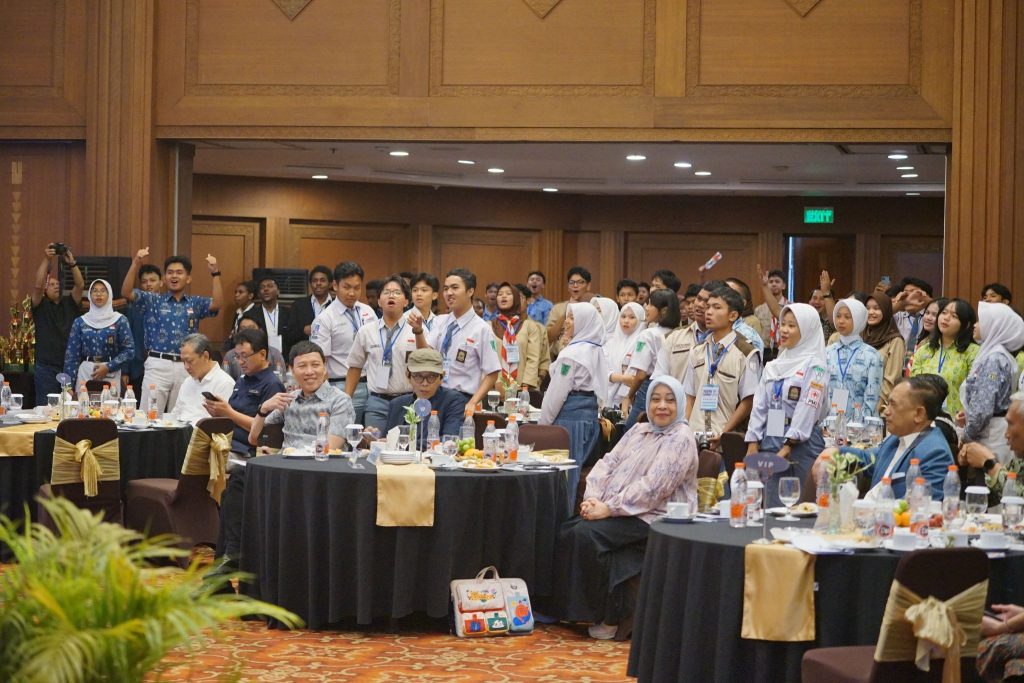
As part of the Youth Summit 2026 program, participants also conducted the reading of the Youth Declaration. The declaration represents the collective commitment of participants of the Youth & Social Issues Summit 2026 to support secondary education reform as a foundation for human capital development toward Indonesia’s Golden Generation 2045.
The Youth Declaration outlines seven key agendas: establishing secondary education as a foundation for future readiness; implementing needs-based educational equity policies; establishing mental health support systems in schools; recognizing Digital Citizenship and AI literacy as core competencies; strengthening partnerships between schools, businesses, industries, and higher education institutions; reforming teacher competency development through practice-based approaches; and institutionalizing youth participation in education policymaking.
The declaration emphasizes that education should not focus solely on academic achievement, but also foster character, competencies, mental well-being, digital capabilities, adaptability, and students’ readiness to pursue further education, enter the workforce, and participate meaningfully in society.
Youth Summit 2026 underscored the importance of a comprehensive approach to preparing Indonesia’s future generation. Quality education, mental well-being, digital readiness, literacy, numeracy, educational equity, and meaningful youth participation need to be addressed as interconnected elements of human capital development.
Through collaboration among students, educators, government, academia, businesses, and other stakeholders, Youth Summit 2026 is expected to contribute to stronger evidence-based policymaking while ensuring that young people’s voices become an integral part of shaping the future of education in Indonesia.